


About Project
The Service Design (GRD310) cohort is responsible for planning and installing this year’s Creative Media Showcase (CMS), an event that presents Creative Media students’ work to the public. The CMS takes place in the Geoffrey Bolton Library each year around late November. Our goal is to create an engaging and memorable experience that allows attendees to fully appreciate and enjoy the showcased work. The 2024 theme is Continuum, aligning with Murdoch University’s 50th Anniversary.
Project Overview
My Role:
Graphic Designer
Product Date:
29/07/2024 - 28/11/2024 (4 Months)
Product Scope:
Spacial Wayfinding
Deliverables:
Map & Layout, Lanterns, Lamps, Tile Game Centrepiece, Sound Experience
My Team:
Sean Chionh (Team Leader), Adria Cheung (Me), Chet Aung, Jaime Refrea and Joshua Marin
Continuum
Project Brief
In this project, our design team is responsible for organising and installing the 2024 Creative Media Showcase (CMS), an event that presents Creative Media students’ work to the public. The showcase will be held at the Geoffrey Bolton Library on 22 November 2024. Our goal is to deliver an engaging and memorable experience that allows visitors to appreciate and enjoy the students’ work. The design team is divided into four key areas: Branding, Digital, Publication, and Spatial Wayfinding.
The Spatial/Wayfinding Team Role
For Continuum 2024, our role is to design a space that is both visually engaging and functionally effective, reflecting what Continuum means to us as Creative Media students. Spatial design covers the entire environment, including aesthetics, layout, and exhibit arrangement. Our work is closely tied to wayfinding, creating clear and intuitive navigation to guide attendees through the space. As part of the Spatial/Wayfinding Team, we help shape the event’s atmosphere, ensuring it is visually striking while providing a seamless and memorable experience for all guests.
The Theme
This year’s theme, Continuum, is inspired by the idea of a seamless whole, a collection or sequence of elements that evolve gradually over time (Merriam-Webster, 2024). This concept of subtle progression aligns with 2024, marking Murdoch University’s 50th anniversary. The theme celebrates this milestone by reflecting both the university’s history and its ongoing journey.
Research
Visual Investigation
We conducted three visual investigations into different aspects of spatial wayfinding for the event, keeping in mind this was before the branding was finalised.
Decorations:
This investigation explored how decorations could express the “Continuum” theme through mirrors, flowing shapes, and repeated elements that create a sense of endless movement. Interactive 3D and reflective installations invite visitors to engage with the space as the visuals shift from different angles.
Wayfinding:
We explored how navigation could be both functional and visually engaging. Leading lines can guide visitors while reinforcing the theme through texture or dimension. Maps should remain simple and clear, but can still feel engaging with colour-coding, layered elements, or branded details.
Signage:
This investigation focused on guiding and informing visitors efficiently. QR codes can link to digital content, while symbols highlight key areas using familiar icons. Signs should be highly visible and can be enhanced with lighting, like backlit or cutout designs, to stand out without overwhelming the space.
Simmular Events
We researched other events to gain insights from their successes and challenges. By understanding what worked well and what didn’t, we can apply these lessons to improve our own design before internal iteration.
Perth Comic Arts Festival (PCAF):
PCAF is a well-organised comic festival held at the State Library. It features a clear loop layout, ample space to move, and small tables for local artists to showcase and sell their work. The event attracts a wide age range interested in comics and pop culture. While it is easy to find, signage could be improved to indicate upstairs stalls. Overall, its location, layout, and visibility contribute to its success.
Tokyo Alley 11 & 12 (2023/2024):
Tokyo Alley is a Japanese pop-culture event popular with teens and young adults. It emphasises community through its large Artist Alley and interactive activities. The event is easy to explore with themed zones and simple maps, though large areas can be confusing. It is fun and engaging, but can get hot, has an entry fee, and wristbands can be inconvenient.
User Personas
We developed two user personas, including empathy maps, journey maps, problem statements, “How Might We” (HMW) questions, and minimum viable products, to better understand and empathise with user needs.
Persona 1: Chelsea Medea, a sociable and creative student studying Graphic Design and Game Art. She seeks a memorable and innovative experience at the event, drawing inspiration from other students’ work. Chelsea also values the layout, spacing, and wayfinding, aiming to enhance her design skills and create work that leaves a lasting impression.
Persona 2: Will Criate, a biology student who prioritises efficiency. He needs to navigate the event easily using clear layouts, maps, and signage. Will prefers a well-organised event that minimises distractions and keeps him focused.
Interview
We interviewed Creative Media academics, Creative Media students, and non-media students, and found that sound as a medium is often overlooked and challenging to showcase due to space limitations and audio interference. Other issues raised included congestion, heat, and navigation difficulties, highlighting the need for clearer signage, improved layout planning, and interactive, well-organised displays to enhance the overall event experience.


Stakeholder Presentation
How it went:
The stakeholder presentations went smoothly after refining our concepts based on soft launch feedback. We presented the ideas as conceptual “blank canvases,” focusing on the overall vision of the installations rather than detailed visuals. This approach allowed our concepts to remain flexible and complement the Branding team’s work, even before the brand identity was finalised.
What we did next:
After receiving positive feedback from the academics, we revised and expanded our visual investigations to better align with the emerging design direction. While maintaining flexibility due to the Branding team still developing the identity, we curated a set of feasible concepts that could effectively represent Continuum.
What this meant for the team:
With a shared design language independent of the brand identity, we focused on creating prototypes for review and feedback. Some ideas were developed fully and implemented at Continuum, while others were discontinued during development. Each concept evolved significantly from initial sketches in the visual investigation to the final installations showcased at the event.
Concept Development
Mock-Up Glowing Lanterns
We then explored large lantern-style discipline signs with internal battery-powered lights and black vinyl at the base. Although lighting was a key theme, the difficulty of installing lights on the roof and running wiring made this idea impractical, so we removed the lighting element altogether.
.jpg)
Mock-Up Cubic Glow Lights
This idea came from a visual reference on our board. We planned to create cube-shaped lights in different sizes to act as wall lighting and guide visitors through the building. However, we dropped the idea because installing the lights and managing the power cables was too complicated.

Scrapped Ideas
Floor Stickers
Floor stickers were meant to guide visitors, with ideas such as using the Continuum logo or a dithered design forming directional arrows. However, due to budget limitations and existing 50th-anniversary stickers already in place, we decided not to add more floor stickers to avoid clutter.

Coloured Strips
Coloured strips were intended to guide visitors to each discipline, using our colour theme as a navigation tool. We first planned to place them on the ceiling for visibility, but due to space and installation challenges, they were moved to the floor. Eventually, we abandoned the idea altogether because of time and logistical constraints and instead considered simpler options like floor stickers.
.jpg)
Stamp Rally
We considered a stamp rally to encourage engagement. The original idea used wooden stamps and coloured ink, but we rejected it due to concerns around paper waste and post-event cleanup. We then explored a sticker-based version in the Continuum book, but this also risked creating waste and proved difficult to implement. With limited time left and low benefits, the idea was dropped.


Development
After the Stakeholder presentation, we explored pixel-inspired ideas that better aligned with the branding. The cubic light concept initially stood out, but after prototyping, it felt off-brand, so we shifted to a hanging lantern design. We refined the lantern’s size, graphics, and structure, but the LED lighting exceeded our budget. For the 11 Discipline Lamps, we sourced affordable wedding frames and created Sirio paper sleeves with vinyl labels, finalising a clean, cohesive design within budget.
Lanterns + Lamps
Person In charge:
Adria (Me)


Production
We designed the vinyl graphics and transparent paper components in Illustrator, exported them as SVGs, and cut them using the Cricut. Over several days, we cut and weeded vinyl for the lanterns and lamps, and scored, folded, and prepared the transparent paper panels. After testing adhesives, we switched from double-sided tape to glue for assembly. While one team constructed the lantern bodies and hanging frames, another prepared the large outdoor lamps and updated the signage. In total, we produced 28 lanterns (26 displayed) and 11 Discipline Lamps, which were set up with colour-changing lighting for the event.


Ideation
In our revised visual exploration, we brainstormed a centrepiece that would reflect Continuum’s theme of evolution and unity. Two key interactive concepts emerged: Jaime’s spinning vertical boxes, inspired by a Rubik’s Cube, and Sean’s grid of rotating cubes that moved together. Both symbolised a community of individuals forming a dynamic whole. We chose to develop the rotating cube concept, later named the “Tile Games”, as the spinning boxes felt too similar to a past CMS installation.
Tile Game Centrepiece
Person In charge:
Sean (Team Leader’s)


Development
An origami-inspired paper model was first created and well-received, but it didn’t work as a free-standing centrepiece, so we mounted it on a board. A flat-tile version was then developed, which worked effectively as both décor and signage. A 5×5 Tile Game prototype proved the tiles could rotate while keeping their layout, allowing symbols to be displayed. After testing, we refined the design to fit the branding, moving from spelling “Continuum” with coloured tiles to using the discipline glyphs in their respective colours.


Production
We originally planned nine Tile Games, one for each discipline, as a centrepiece, but the idea expanded to include individual Tile Games at each discipline area, increasing the total to twenty. By changing materials and construction methods, we reduced costs from over $350 to about $40.
Printing issues caused colour and scale inconsistencies, but the larger size worked and production continued. After several iterations, a simpler fishing-line hinge was adopted, making assembly faster, though still time-consuming. The Tile Games were completed just in time for the event.
They made a strong visual impact both on the Interactive Wall and at each discipline area, but the mechanisms lacked durability, tiles were stiff to turn and many broke by the end of the night.


This installation changed significantly from the original idea, reflecting how the project evolved through new creative opportunities and technical challenges.
Development
The sound concept began as a wayfinding idea—using speakers with themed audio to guide guests into the showcase. As the Continuum brand shifted to a retro pixel aesthetic, Josh proposed using 8-bit, game-inspired sounds to match the visuals. However, the speaker setup was too costly ($1,000–$2,000), lacked equipment support, and posed security risks.
The team pivoted to a Silent Disco–style experience using headphones. This was cheaper, more immersive, and allowed guests to listen while exploring the event, similar to a museum audio guide. Although the headphones couldn’t switch audio by location and only had 3 channels, we structured them as:
-
The Continuum Show – a student/academic podcast-style track with sound design
-
Student work
-
Thematic audio
Production
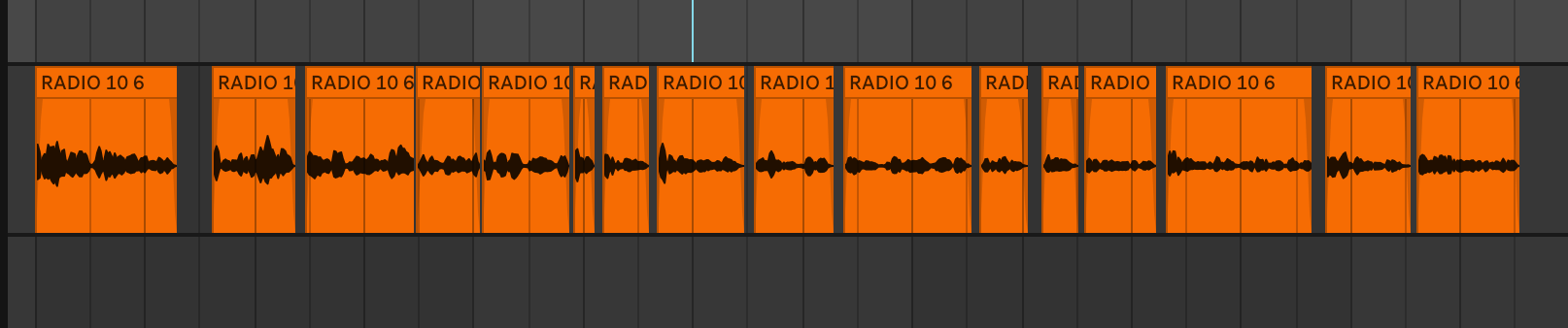
Josh created The Continuum Show in Ableton Live, using 89 audio layers and around 500 sound elements, including interviews, music, and effects. Interviews were recorded on a Blue Yeti with background noise, so heavy audio cleanup was needed, EQ, compression, de-noise, and light autotune, to achieve a polished result that blended smoothly with the music.
Sound Experience
Person In charge:
Joshua


The map was designed to help visitors easily navigate the library, with a focus on simplicity and clarity. We first planned the discipline layout on a physical draft before digitising it, making multiple iterations along the way. An external campus map was explored through on-site research but later dropped, as the event was fully contained within the library and signage was sufficient.
A digital draft was developed and refined through continuous updates as event details changed, which delayed completion. After multiple revisions, the map reached a functional, accurate final version and was sent to print.
Map & Use of space
Person In charge:
Chet


Event Day
The event ran smoothly, with most visitors enjoying themselves and navigating the space easily. The final screening with popcorn was a nice touch, giving guests a chance to relax before leaving. Although many of the tile games broke by the end, this was expected, and they had functioned well during the showcase. The battery-powered lamps provided bright, lasting light, and the lanterns and lamp stands helped with wayfinding.
However, the map was less effective than hoped, as visitors didn’t use it across the two floors. Adding arrow signs near the staircase or better guidance to the welcome counter could improve navigation. Directing visitors more clearly to the Boola Katitjin area and highlighting the outdoor screening on the map could also enhance the experience, though the lack of map use made this less critical.
The sound experience was well-received and added to the event. Some guests were unaware that the tile games were interactive, often saying, “I didn’t know that was supposed to move.” We had tried to address this beforehand by adding small arrows to indicate movement, but it was not always clear to visitors.